

Creating a healthier world: CALS-based global health certificate program proves popular among students
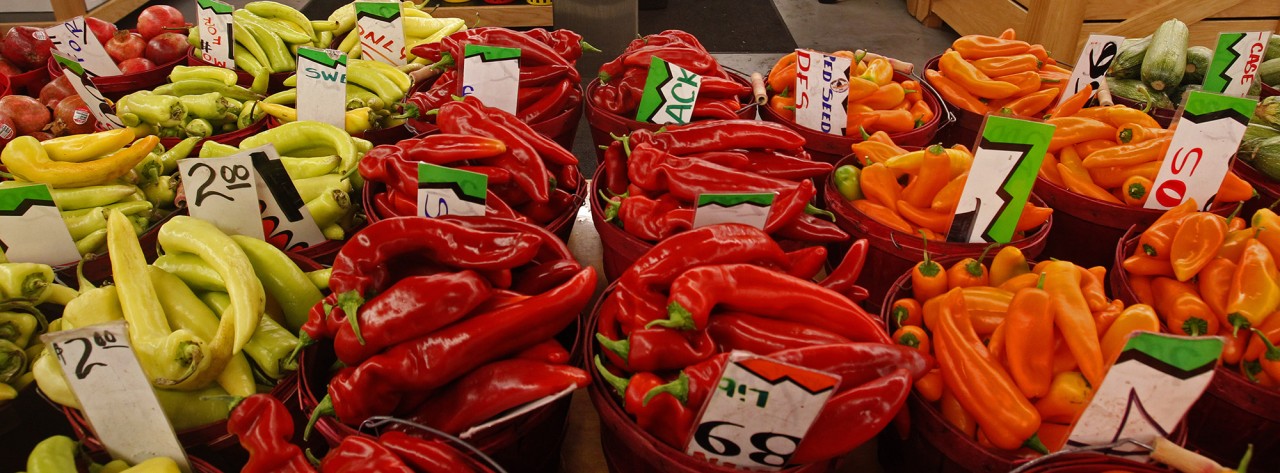
You can’t spot them right away—they’re hidden in plain sight, often disguised as majors in the life sciences—but there are thousands of undergraduates on the University of Wisconsin–Madison campus who, in terms of their future careers, consider themselves “pre-health.”
What are their reasons? For some students, the motivation is acutely personal. As a child, Kevin Cleary BS’13 (biology) felt an urgent need to help as he watched his father deal with recurrent brain tumors. “By age 11, I knew I had a future in health care,” says Cleary. Many others aren’t yet sure what role they will play, but they are eager for guidance on how to use their majors to address an array of global problems including hunger, disease, poverty and environmental degradation. Says senior biochemistry major Yuli Chen, “I want to make an impact on people, and I believe that every person has the right to be provided basic necessities such as clean water, education and food.”
For much of the past century, young people seeking to address health-related suffering may have felt relatively limited in their options. Most considered medical school (still the gold standard to many), nursing school or other familiar allied health occupations that are largely oriented toward addressing disease after it occurs.
In recent years, however, health experts worldwide have placed an increasing emphasis on the importance of prevention in achieving health for the largest possible number of people. This was illustrated at UW–Madison in 2005, when the University of Wisconsin Medical School changed its name to the School of Medicine and Public Health, offering the following reason: “Public health focuses on health promotion and disease prevention at the level of populations, while medicine focuses on individual care, with an emphasis on the diagnosis and treatment of disease. Ideally these approaches should be seamlessly integrated in practice, education and research.”
The founding in 2011 of the interdisciplinary Global Health Institute (GHI), a partnership of schools, colleges and other units across campus, broadened the university’s approach to health still further:
“We view the health of individuals and populations through a holistic context of healthy places upon which public health depends—from neighborhoods and national policies to the state of the global environment. This approach requires collaboration from across the entire campus to address health care, food security and sustainable agriculture, water and sanitation, environmental sustainability, and ‘one health’ perspectives that integrate the health of humans, animals and the environment.”
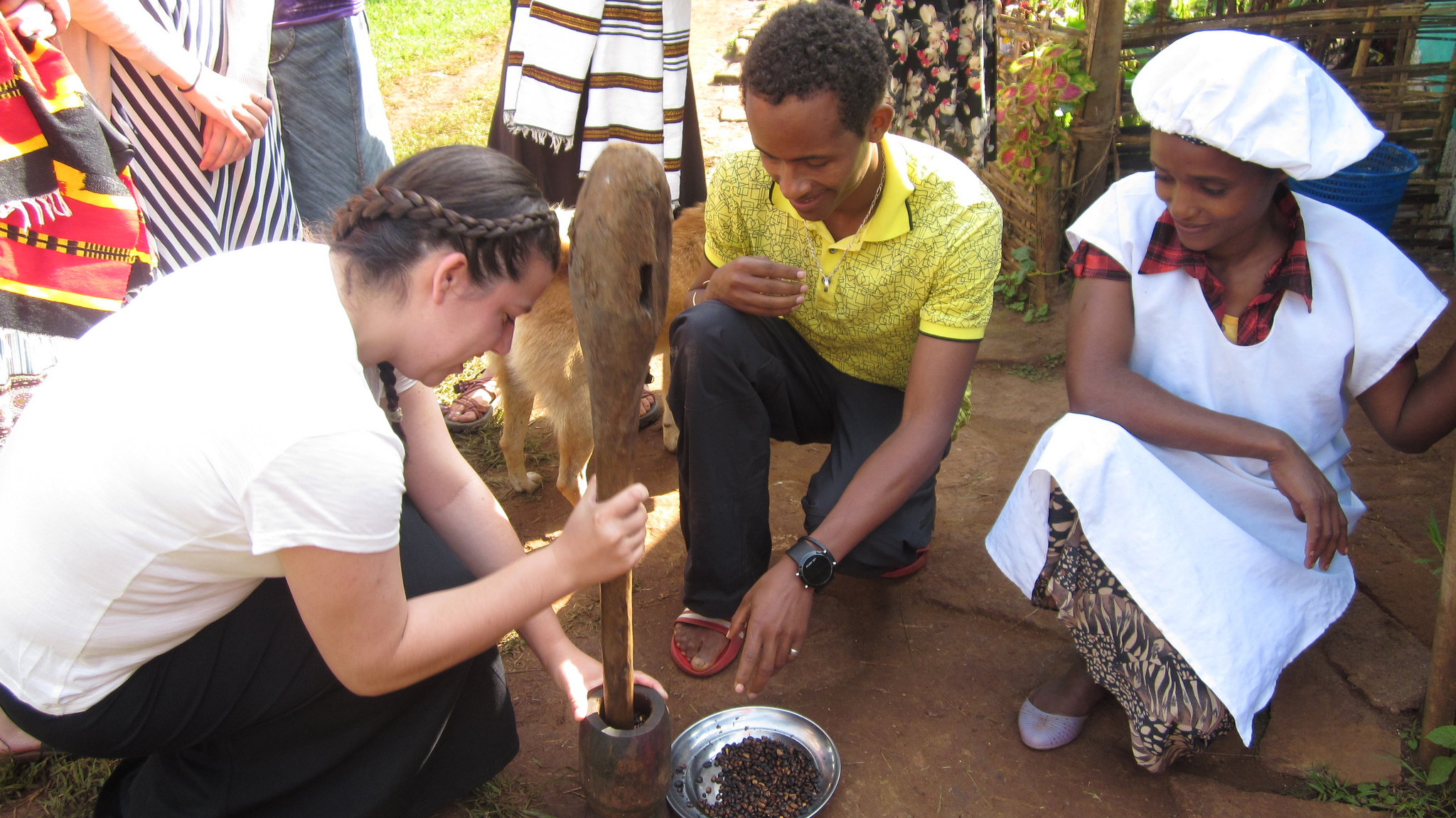
Demand by UW students for educational options built around this broad concept of health had been growing for some time. Before the creation of the GHI, an Undergraduate Certificate in Global Health was introduced to offer students an understanding of public health in a global context. The certificate explores global health issues and possible solutions—and shows students how their own majors and intended professions might make those solutions reality. Although administered from CALS and directed by CALS nutritional sciences professor Sherry Tanumihardjo, the certificate accepts students from across campus and highlights ways in which teachers, engineers, farmers, social workers, journalists, nutritionists, policy makers, and most other professions can play a role in global health. Funding is provided through the Madison Initiative for Undergraduates, grants and private donations.
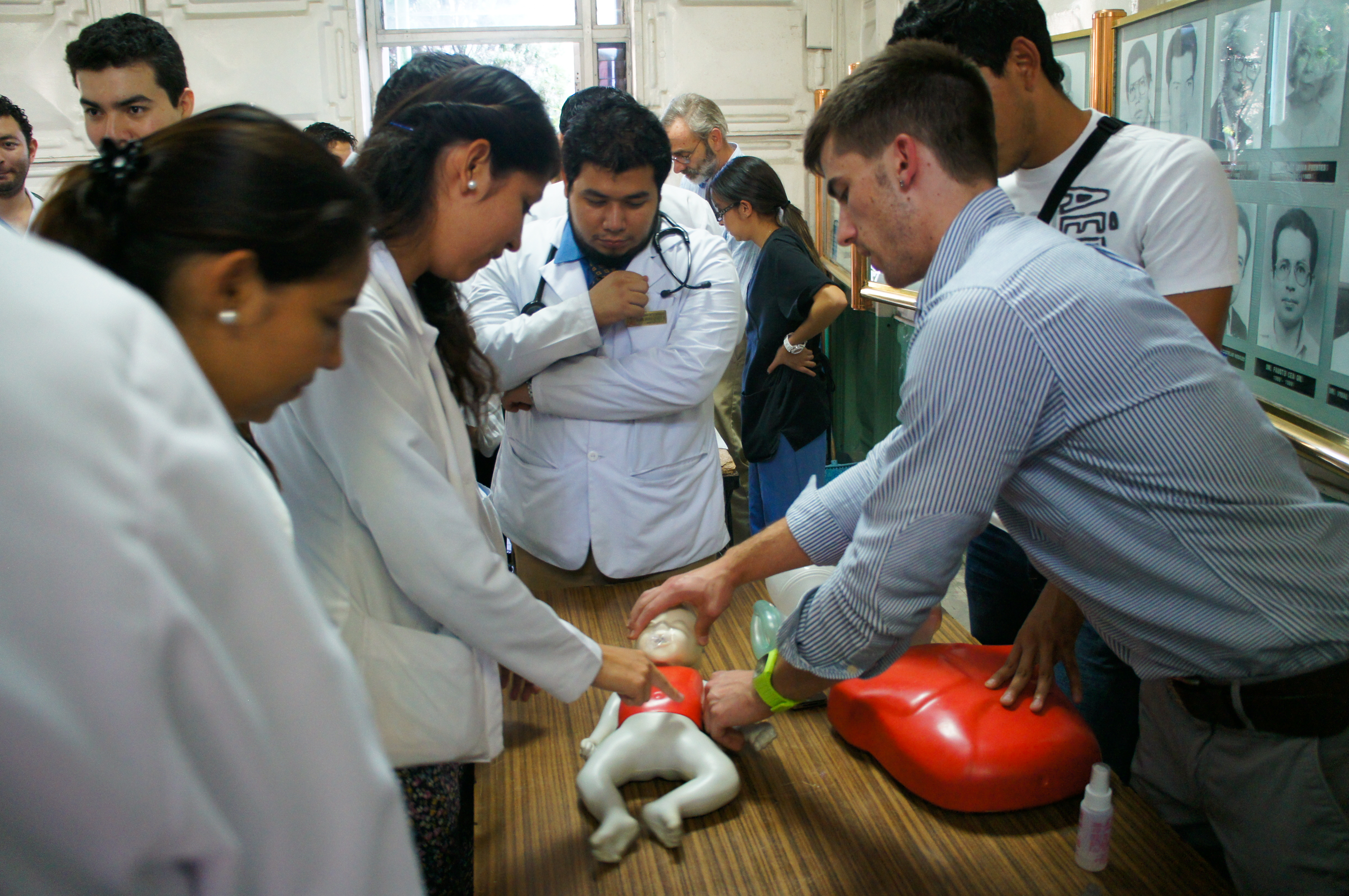
Earning the certificate requires completion of core courses focusing heavily on agriculture and nutrition, the importance of prevention and population-level approaches in public health, and the role of the environment in health. Students also complete relevant electives (examples: women’s health and human rights, environmental health, international development), and—most transformative for students—a field course, usually a one- to three-week trip either abroad or to a location in the United States where a particular global health issue is being addressed by one or more local partner organizations in ways specific to the place and the people who live there.
Although the program is young, it already has made an impressive impact on campus. A few statistical highlights (as of January 2014):
• Nearly 400 declared students and 250 graduates drawn from more than 80 majors across campus.
• More than 500 students completed intensive, faculty-led small-group field courses either in the U.S. or abroad. More than 60 others have completed individualized experiences.
• 2014 will see more than 20 field courses spanning 14 countries on four continents.
Program alumni are pursuing careers in global health:
• 30 students went on to graduate programs in public health, medicine, nursing, nutrition and related fields.
• 34 others have taken jobs with the Peace Corps, Americorps, and Teach for America. 13 are addressing health disparities with Wisconsin’s Department of Health Services or county-level agencies around the state.
• In exit surveys, 82 percent of alums said that the certificate was either “important” or “very important” in shaping their view of health and well-being in the world.
We are pleased to present here a few compelling stories from the program’s field courses. We hope they convey at least some of the excitement students express at combining the tools and practices of diverse majors with cultural competency, language skills and key concepts in public health.
To read the full article, originally published in the Spring 2014 issue of Grow magazine, click here. Or jump straight to one of the featured stories: Linking agriculture and nutrition in Mexico, Food systems in Ethiopia, CPR in El Salvador or Global health at home.