Learning about Japanese culture and agriculture in Hokkaido, Japan
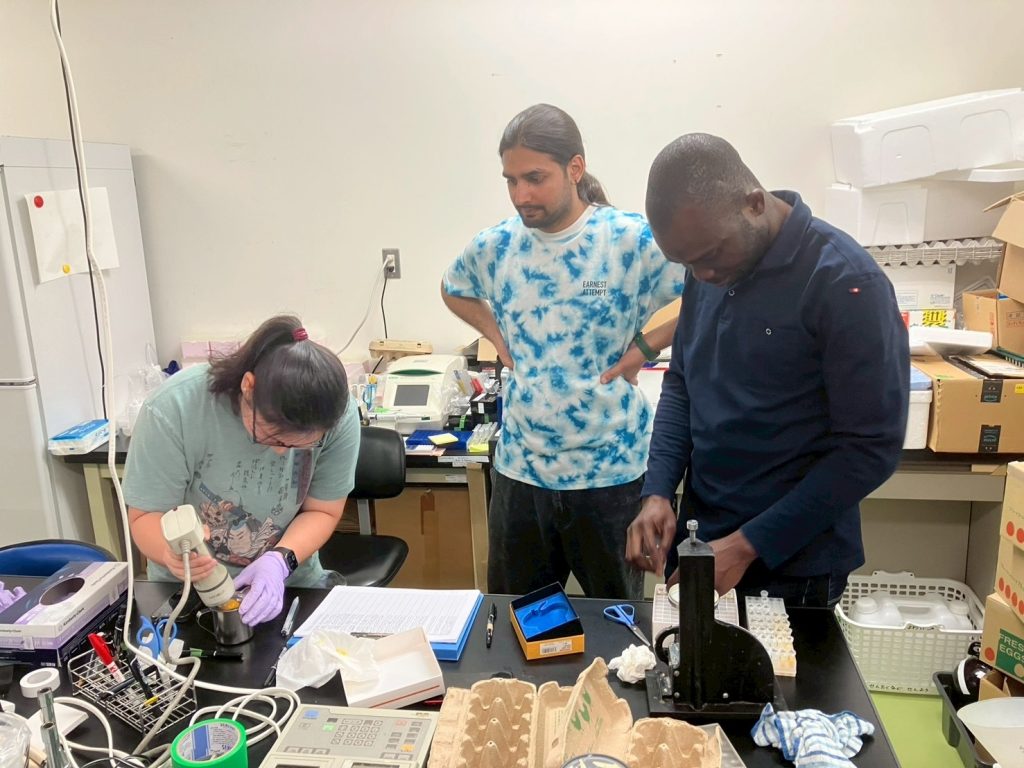
Isabelle Wong, a CALS student majoring in biology, spent the summer in Hokkaido, Japan in the UW Food Systems and the Environment in Northern Japan study abroad program. She participated in the additional research internship, where she worked alongside researchers at Obihiro University of Agriculture and Veterinary Medicine studying chicken housing systems.
In the below Q&A, Isabelle talks about her experience in Japan, from exploring Hokkaido to making connections with other students.
Can you describe the program? What did you learn about, where did you go?
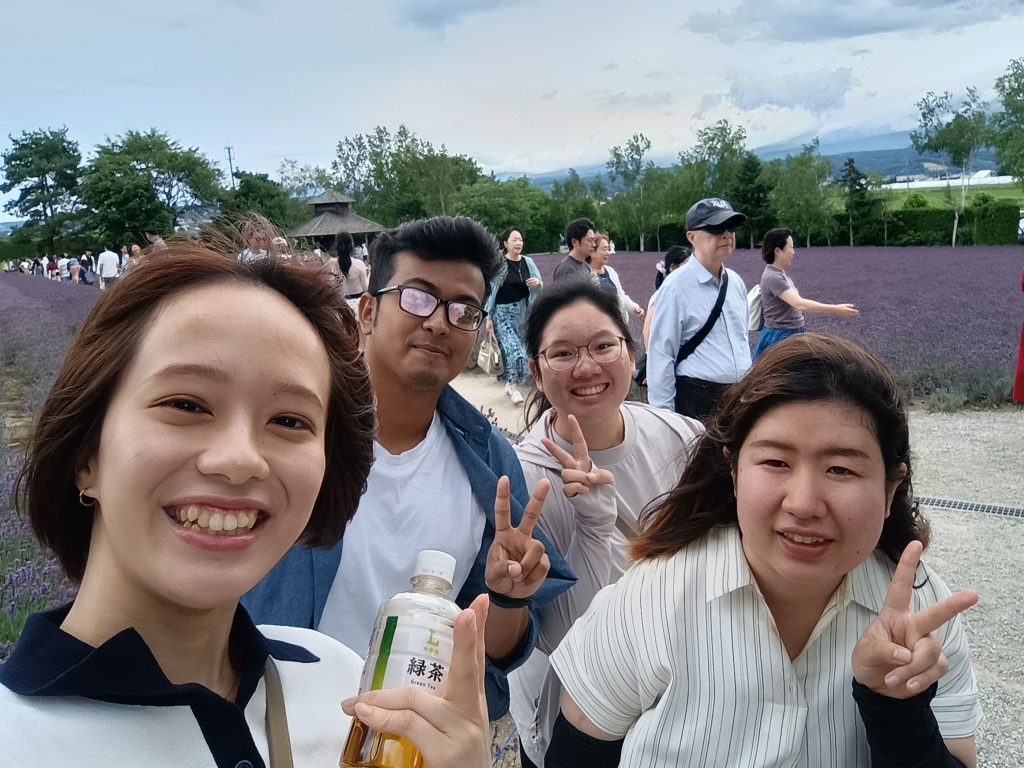
My program was based in Obihiro, Hokkaido, Japan, and it gave me the opportunity to learn about Japanese culture, agriculture, and research. I spent time working in the Goto Lab at Obihiro University of Agriculture and Veterinary Medicine, where I gained hands-on research experience, but we also went on different field trips to learn more about Hokkaido and Japanese daily life. We visited local museums, grocery stores, farms, and natural areas.
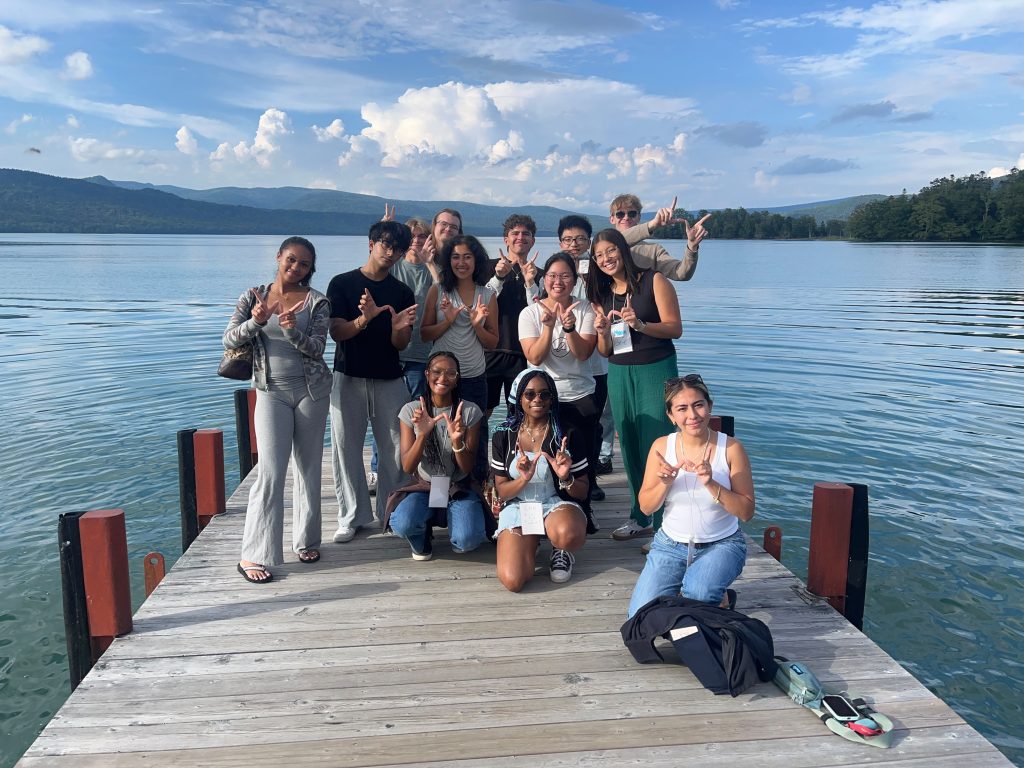
One of my favorite experiences was going to Lake Akan, which is pictured above. It was a really fun experience because I was able to spend time with the other students while enjoying the beautiful scenery. Overall, the program was not just about academics. I learned a lot by exploring different places, meeting Japanese students, and experiencing everyday life in Japan.
You participated in the add-on research internship — can you describe your project?
My project focused on comparing how different chicken breeds responded to two housing systems: cage housing and floor housing. We collected data on egg production and different egg traits, such as egg weight, shell characteristics, and yolk color, to see how housing and breed affected these traits.
Through this project, I gained hands-on experience with data collection and research, and I also learned how to code using R to analyze and visualize our results. At the end of the internship, I presented my research and findings to others. This internship helped me learn more about animal agriculture while gaining research, coding, and presentation skills.
What was the most meaningful experience you had during this trip?
The most meaningful experience I had during this trip was the friendships and connections I made with both the UW students and Japanese students. As part of the program, each UW student was paired with a Japanese student. Having Japanese students with us helped me learn more about Japan through conversations and everyday experiences rather than just through classes or field trips. They helped us with the language and introduced us to aspects of Japanese culture that I may not have experienced on my own. By the end of the program, it felt less like we were just students from different countries and more like a group of friends learning and experiencing new things together.
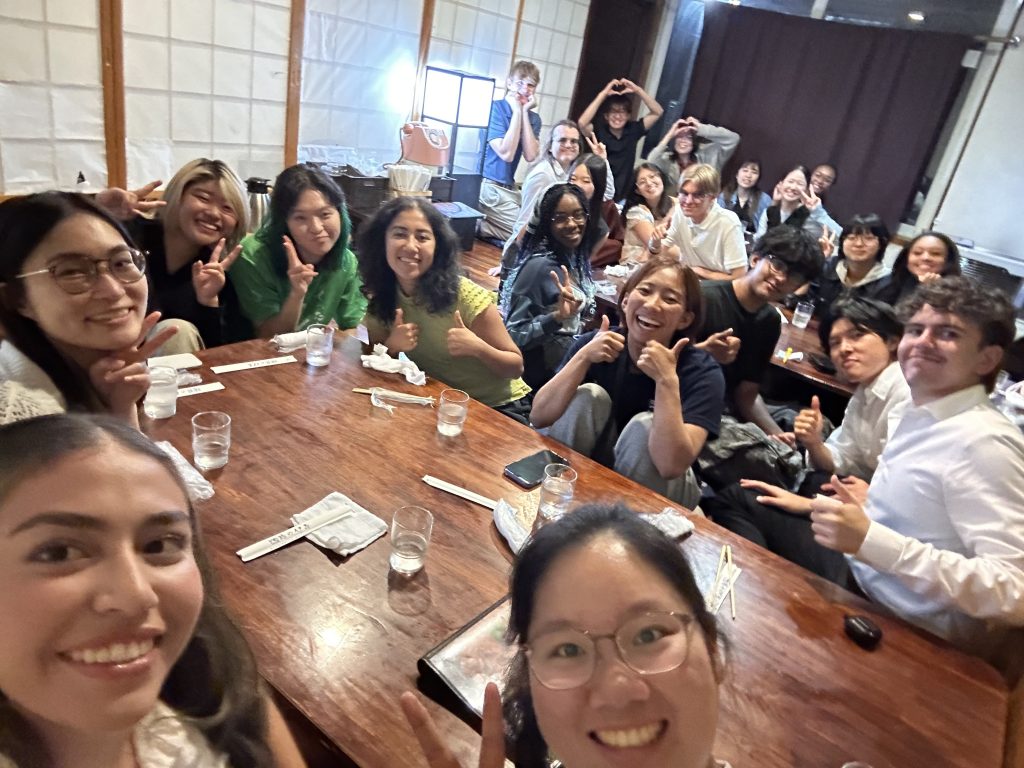
One of the most memorable moments was our last dinner together, when everyone came together to eat, talk, and enjoy each other’s company one last time. Saying goodbye was difficult, but it made me realize how meaningful the friendships I had made during the program were. The trip gave me the opportunity to learn about Japan, but the people I met and the connections I made are what I will remember most.
How has this experience influenced your future academic or professional plans?
This experience has helped me become more interested in pursuing research as part of my future academic and professional career. Before this program, I had very little experience with coding, but through my research project, I learned how to use R to analyze and visualize data. I was even able to teach some of the R skills I learned to a new intern in the Goto Lab, which helped me become more confident in my own abilities.
This experience showed me that I enjoy learning new skills and sharing what I know with others. As I continue my education and prepare for my future career in medicine, I hope to continue participating in research and apply the skills I gained from this internship.
What is one thing you learned during your experience that you’ve brought back with you and incorporated into your daily life?
One thing I learned from my experience in Japan is to appreciate both the time spent with the people around me and where my food comes from. Throughout the program, some of my favorite memories were the simple moments, like getting dinner with friends and having conversations with the Japanese students. I also learned more about agriculture and the work that goes into producing the food we eat. This experience made me realize that you do not always need to be doing something big or exciting to make meaningful memories, and it encouraged me to be more present and appreciate both my meals and the people I share them with.